A colleague collapses beside the photocopier, a contractor cuts their hand in the loading bay, or a visitor has chest pain in reception. The trained first aider may be focused on breathing, bleeding or the recovery position, but someone still has to control the room, direct emergency services, protect other staff and write down what happened.
The Logistics of a Workplace Emergency
Workplace emergencies need two tracks running at the same time: clinical first aid and scene management. A first aider may be assessing the casualty, using a first aid kit or preparing an AED, while another person manages space, people, information and access. The Health and Safety Executive’s first aid at work guidance makes clear that employers need suitable arrangements based on workplace risks, and those arrangements should include more than naming a first aider on a poster.
Defining the Incident Commander Role
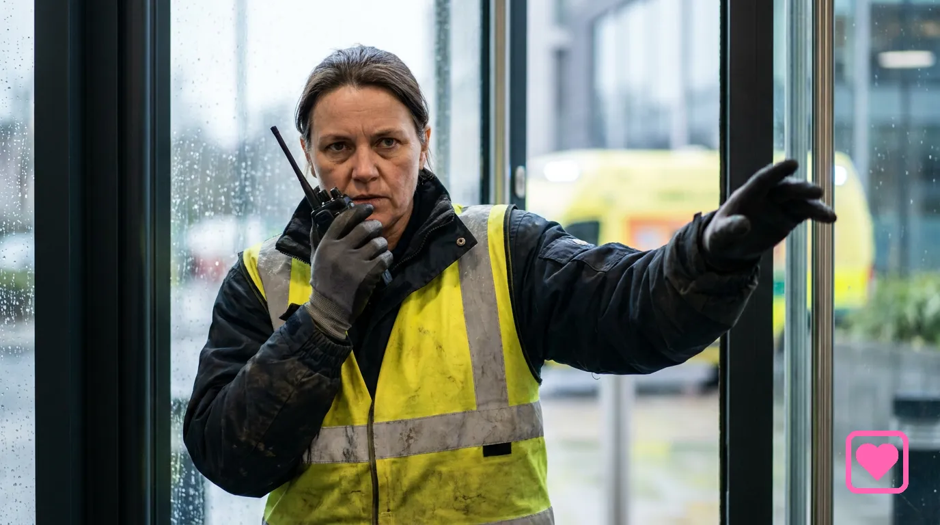
The incident commander is not there to diagnose, treat or overrule the first aider. Their job is to make sure the right help reaches the right place, and that the surrounding workplace does not make the situation worse. In a small office, that may be the most senior person present. On a construction site or factory floor, it may be a supervisor who already understands site access, shut-off points and evacuation routes.
Clear control also prevents spectator syndrome, where several people watch but no one acts. The commander gives short, direct tasks: “You meet the ambulance at reception,” “You bring the first aid kit,” “You move everyone back.” Named instructions work better than general appeals.
Managing the Immediate Environment
The first practical question is whether the area is safe for the casualty, first aider and colleagues. A autumn near trailing cables, a chemical splash in a workshop, or a collapse beside moving vehicles creates risks beyond the original injury. The incident commander should pause long enough to spot hazards, then act decisively without crowding the person giving care.
Useful scene-management actions include:
- Stop nearby machinery, isolate vehicles or move people away from spillages where it is safe to do so.
- Clear a route from the site entrance to the casualty, including doors, corridors and lifts.
- Send someone for the first aid kit and AED, if one is available on site.
- Keep unnecessary observers at least several metres back, especially in narrow areas.
- Preserve the scene where possible if a serious incident may need investigation.
The aim is controlled space, not dramatic intervention. A calm person standing at the doorway can stop a dozen interruptions and allow the first aider to concentrate. Once the immediate environment is stable, communication becomes the next pressure point, because emergency services can only respond well to the information they receive.
Effective Communication with Emergency Services
A workplace can be surprisingly hard to find from the outside. Business parks share postcodes, multi-storey offices have several entrances, warehouses may be split by goods-in and visitor access, and security barriers can delay vehicles. Good communication means giving emergency services a precise route to the casualty, not just the company name. It also means assigning one person to make the emergency call, so several anxious colleagues do not give conflicting or incomplete information at the same time.
The caller should stay with the phone and follow the call handler’s questions. They may be asked for the casualty’s age, condition, breathing status, hazards nearby and any first aid already given. If the workplace has poor signal in stairwells or workshops, the commander should move the caller to a reliable spot while keeping a runner between them and the first aider.
Location detail matters. “Unit 4, rear goods entrance, second floor mezzanine, packaging department” is far better than a trading name and postcode alone. In a shared building, the caller should give the exact entrance, floor, department and any access code or security desk instruction. Where lifts need passes or loading gates are locked, someone must be ready to override the usual routine.
An ambulance greeter should be sent to the site perimeter, not left waiting beside the casualty. Their role is to watch for the emergency vehicle, identify themselves, and lead the crew by the fastest safe route. In large premises, that person may need a radio or mobile phone, plus authority to open gates, hold lifts or stop vehicles crossing the route.
Internal communication should be brief and factual. Reception, security and relevant managers need to know what is happening, but the wider workplace does not need a running commentary. A simple message such as “medical emergency in the warehouse, keep the main corridor clear” avoids rumour while giving people something practical to do.
Protecting the Team and the Casualty
After the first few minutes, the human side of the incident becomes harder to manage. A casualty may be frightened, exposed or in pain, while witnesses may be shaken by what they have seen. The incident commander should protect privacy, reduce noise and give uninjured colleagues somewhere to go. These actions are not clinical treatment, but they support the first aider and help the workplace return to order without minimising what has happened.
Maintaining Privacy and Dignity
Privacy can be difficult in open-plan offices, retail spaces or busy production areas. Screens, coats, meeting-room partitions or a cleared corner can help shield the casualty without blocking access for the first aider. If clothing has been cut away, bleeding is visible, or CPR is taking place, removing unnecessary observers is both respectful and practical. Fewer people in the room means fewer interruptions and clearer decision-making.
The commander should also control photography and messaging. Staff should be told plainly not to take pictures, share details in group chats or speculate about the casualty’s condition. Personal health information should be handled carefully, with updates restricted to those who need to know for safety or operational reasons.
Supporting Uninjured Colleagues
Witnesses may appear calm and still be affected. Someone who saw a autumn from height, a seizure, a severe bleed or attempted resuscitation may need to sit down, call a family member or step away from machinery. Assigning a colleague to look after witnesses prevents them drifting back into safety-critical tasks while distracted. In higher-risk workplaces, this should be part of the response plan, not an afterthought.
Practical support can be simple:
- Move witnesses to a quiet room away from the scene.
- Ask whether anyone feels faint, distressed or unable to continue working.
- Record names while memories are fresh, without pressing for detailed statements immediately.
- Arrange cover for safety-critical roles such as driving, guarding or operating machinery.
- Tell staff when and where they will receive a factual update.
This is also the point where rumours often start. A single manager should handle internal updates, using confirmed facts only. “An ambulance has been called and the area is closed while support is provided” is enough for most colleagues.
Documenting the Incident for RIDDOR and Review
Good records start while details are still fresh, but documentation must not get in the way of care. The first aider’s treatment notes, witness names, timings, photographs of relevant site conditions and first aid kit usage all help create a reliable account. The Health and Safety Executive explains reporting duties under RIDDOR, and early notes make it easier to decide whether an incident meets those thresholds rather than relying on memory days later.
The initial record should capture the time, location, people involved and immediate circumstances. For example, “14-03-2026, 10:20, loading bay, employee slipped on wet floor while carrying parcels” is more useful than “slip in warehouse.” Witnesses should be asked for factual observations in their own words. Avoid leading questions, blame or conclusions before the workplace has reviewed the evidence.
RIDDOR may require reporting of deaths, specified injuries, certain dangerous occurrences, occupational diseases and injuries causing more than seven consecutive days of incapacity for normal work, excluding the day of the accident. Not every first aid incident is reportable, but employers should have a process for checking.
The first aid kit and any emergency equipment should be checked before normal operations resume. Used dressings, gloves, face shields, burn dressings or eyewash pods need replacing. If an AED was opened or used, pads and batteries may need attention according to the manufacturer’s instructions. A kit that is half-empty after an incident can leave the next first aider without basic supplies.
A short review should follow once the facts are gathered. The question is not only whether the first aider acted properly, but whether access, communication, privacy, equipment and handover worked. If the ambulance crew struggled to find the entrance, that is a planning issue. If three people made separate emergency calls, delegation needs tightening.
First aid courses and a culture of preparedness
The real test of workplace readiness is whether ordinary staff know what to do before adrenaline takes over. After reading this, the practical picture should be clearer: one person controls the scene, one person makes the emergency call, one person meets the ambulance, others protect privacy, support witnesses and record facts. Those roles can be adapted for an office, shop, depot, school or factory, but they should never be left to chance.
Reading procedures is not the same as practising them. Short drills during inductions, annual safety refreshers and team briefings help staff remember entrances, kit locations, AED positions and who has authority to stop work. HSE strongly recommends annual refresher training for first aiders to keep skills current, while FAW and EFAW certificates are valid for 3 years.
Training providers such as Brity® run First aid courses across the UK for workplaces that want structured practice as well as written procedures. The most useful preparation is calm, specific and repeated: name the roles, walk the route from the gate to the casualty, cheque the kit, and make sure everyone knows who takes control when the room suddenly goes quiet.
