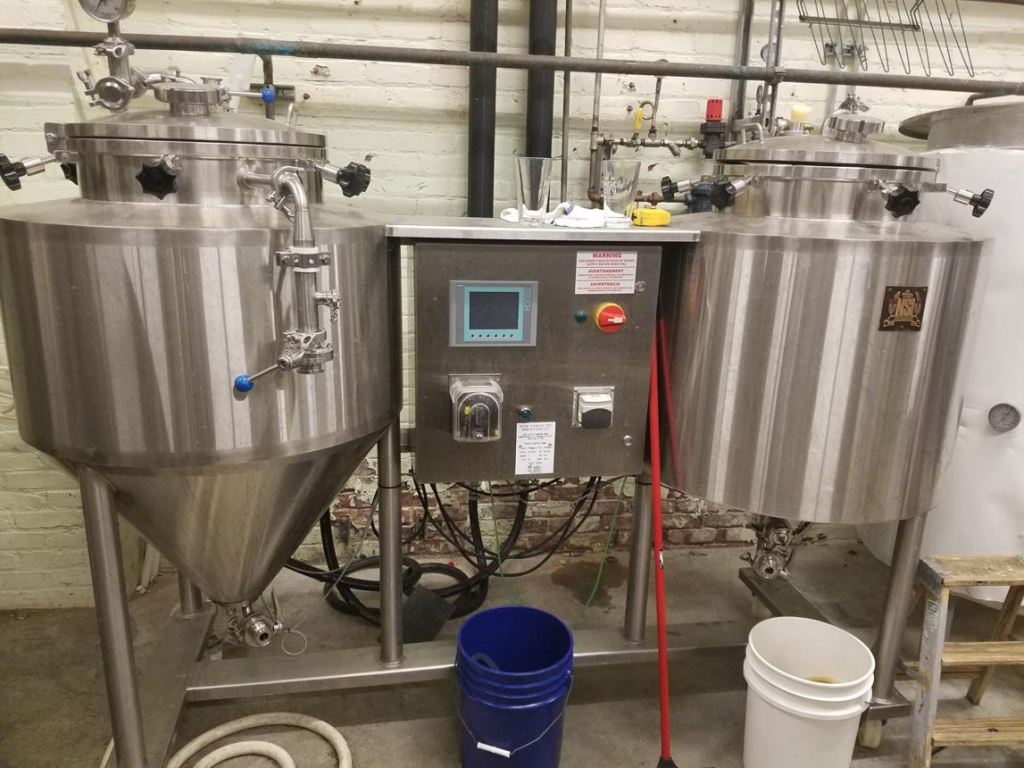
Select a yeast management system from production volume, number of strains, repitching practice, pitch rate, harvest timing, storage duration, oxygen control, sanitation, laboratory capability, and staffing. The system may include harvest containers, brink tanks, propagation vessels, cold storage, pumps, fittings, and testing equipment.
Use equipment that maintains identity, temperature, cleanliness, and traceability. A larger vessel does not improve yeast quality when collection, storage, and evaluation procedures are inconsistent.
What Is a Yeast Brink?
A yeast brink is a sanitary vessel used to collect, store, and transfer harvested yeast. It may include cooling, pressure capability, agitation, sampling, and gas connections depending on the process.
Confirm working volume, pressure rating, fittings, cleanability, mobility, and temperature control. A simple container may suit short transfers, while regular storage and pitching require greater control and documentation.
How Is Yeast Brink Size Calculated?
Estimate the volume of yeast slurry required for the largest regular pitch, including concentration variation, sampling, transfer loss, and safe headspace. Decide whether one brink serves one batch or several.
Oversized brinks can make mixing and measurement difficult at low fill. Multiple smaller units may support strain separation and scheduling. Match size to the brewery’s actual harvest and pitch data.
When Is a Yeast Propagation Vessel Needed?
A propagation vessel grows yeast under controlled conditions when the brewery needs to increase culture volume, maintain strains, or reduce dependence on fresh commercial pitches. It requires precise sanitation, temperature, aeration or oxygenation, agitation, and monitoring.
Propagation adds biological and operational risk. Use it only with qualified procedures and laboratory support. Compare the cost and consistency with purchasing fresh yeast or using an external propagation service.
How Should Yeast Be Harvested?
Harvest from the appropriate portion of a healthy fermentation using a consistent timing and method. Remove unwanted trub or early solids according to the brewery procedure before collecting yeast intended for reuse.
Use clean, closed connections and identified vessels. Avoid pressure shocks and unnecessary oxygen. Record source tank, beer, strain, generation, harvest time, temperature, volume, and quality results.
How Is Yeast Kept at the Correct Temperature?
Use a chilled room or jacketed vessel sized for the storage period and heat load. Monitor product temperature rather than room temperature alone. Avoid freezing and repeated warm cycles.
Confirm glycol or refrigeration capacity and alarm limits. Small mobile brinks may warm during transport or cleaning. Insulation and short transfer times help maintain stability.
How Is Yeast Transferred?
Yeast can move by controlled pressure, gravity, or a suitable pump. The method should protect cells, limit contamination and oxygen, and deliver a measurable amount.
Use rated hoses, valves, and vessels. Control differential pressure and avoid uncontrolled foaming. When selecting brewery equipment, confirm connections between fermenters, brinks, propagation vessels, and receiving tanks.
How Is Pitch Quantity Measured?
Volume alone is not enough because cell concentration and viability vary. Use the brewery’s approved cell-counting and viability methods with representative mixing and sampling.
Agitation or recirculation may be needed to create a uniform sample, but it must be sanitary and gentle. Record concentration, viability, generation, and pitch volume. Calibrate volume indicators and scales used in the calculation.
How Are Multiple Yeast Strains Managed?
Use dedicated or thoroughly validated equipment, clear physical identification, scheduling, and records to prevent strain mixing. Separate hoses, fittings, or brinks may be appropriate for sensitive programs.
Label every vessel and connection. Clean and verify equipment between strains. Plan cold-storage space and production timing so an unidentified or aging brink does not remain available for accidental use.
How Is Yeast Equipment Cleaned?
Use sanitary surfaces, full drainage, suitable spray coverage, and procedures that include valves, sample ports, pressure devices, hoses, and agitator seals. Small dead legs can retain high cell loads.
Clean immediately after emptying. Disassemble components that cannot be cleaned in place. Verify rinse, chemical concentration, temperature, and contact time according to the approved process.
What Quality Checks Are Needed?
Check strain identity where required, generation, sensory condition, cell concentration, viability, contamination indicators, storage time, and fermentation performance. Establish acceptance and rejection criteria before harvesting.
Trend lag time, attenuation, pH, flavor, and fermentation rate by generation. Equipment cannot correct unhealthy yeast. Discard material that does not meet the brewery’s approved criteria.
What Information Should Be Sent to the Supplier?
Provide batch size, strains, pitch rates, harvest volume, storage time, required pressure, cooling, mobility, propagation plan, available utilities, cleaning method, laboratory capability, fittings, and floor layout.
Ask the brewery systems provider for working volumes, cooling calculations, agitation, sampling, pressure protection, load cells or level measurement, cleanability, controls, and integration with fermenters. Develop biological procedures with qualified brewing and laboratory staff.
What Is the Most Common Selection Mistake?
The most common mistake is selecting the yeast management system from nominal capacity or purchase price without testing the complete operating cycle. Interfaces with upstream equipment, downstream capacity, utilities, cleaning, and labor often determine real performance.
Base the decision on largest pitch and longest approved storage period for each strain. Record the assumptions used in every proposal so apparently similar quotations can be compared on the same operating conditions.
How Should Factory and Site Acceptance Be Planned?
Create written acceptance criteria before fabrication. Factory checks should confirm dimensions, components, controls, fabrication, documentation, and safe functional operation where testing is possible. Site testing should use installed utilities and representative process conditions.
Measure temperature, mixing, transfer, cell concentration, viability, traceability, drainage, and cleaning. Record results, deviations, responsible parties, and completion dates. Do not release final acceptance because the equipment powers on; confirm the functions that create usable brewery capacity.
What Costs Should Be Included Beyond Purchase Price?
Include brinks, cooling, agitation, load cells, valves, laboratory tools, cold storage, and controls. Add freight, unloading, commissioning, training, spare parts, consumables, inspection, production downtime, financing, and local professional services.
Compare total installed cost and expected annual operating cost. A lower equipment quotation can cost more when essential controls, utility work, or process connections are excluded. Identify every supply boundary in writing.
How Should Future Expansion Be Prepared?
Plan for more strains, larger pitches, propagation, and additional cellar tanks. Reserve floor space, connection points, control capacity, utility load, drainage, and safe access before the first installation fills the available area.
Expansion provisions should be specific and documented. Oversizing every component immediately can reduce efficiency, but omitting difficult infrastructure can force expensive shutdowns and rebuilding later.
