From Genesis to Revelation, mountains occupy a remarkable place in the biblical narrative. They are not merely geographical features but charged spiritual locations — sites of divine encounter, covenant, testing, and transformation. If you have ever wondered why so many pivotal moments in Scripture unfold on elevated ground, you are not alone. The theology of high places runs deeper than most casual readers realise.
Why Mountains Matter in Scripture
The ancient world understood mountains as liminal spaces — thresholds between the earthly and the divine. This instinct was not merely pagan superstition; Scripture itself consistently affirms that God meets humanity on mountaintops. The Hebrew word har, translated simply as “mountain” or “hill,” appears over 500 times in the Old Testament alone. That frequency is telling.
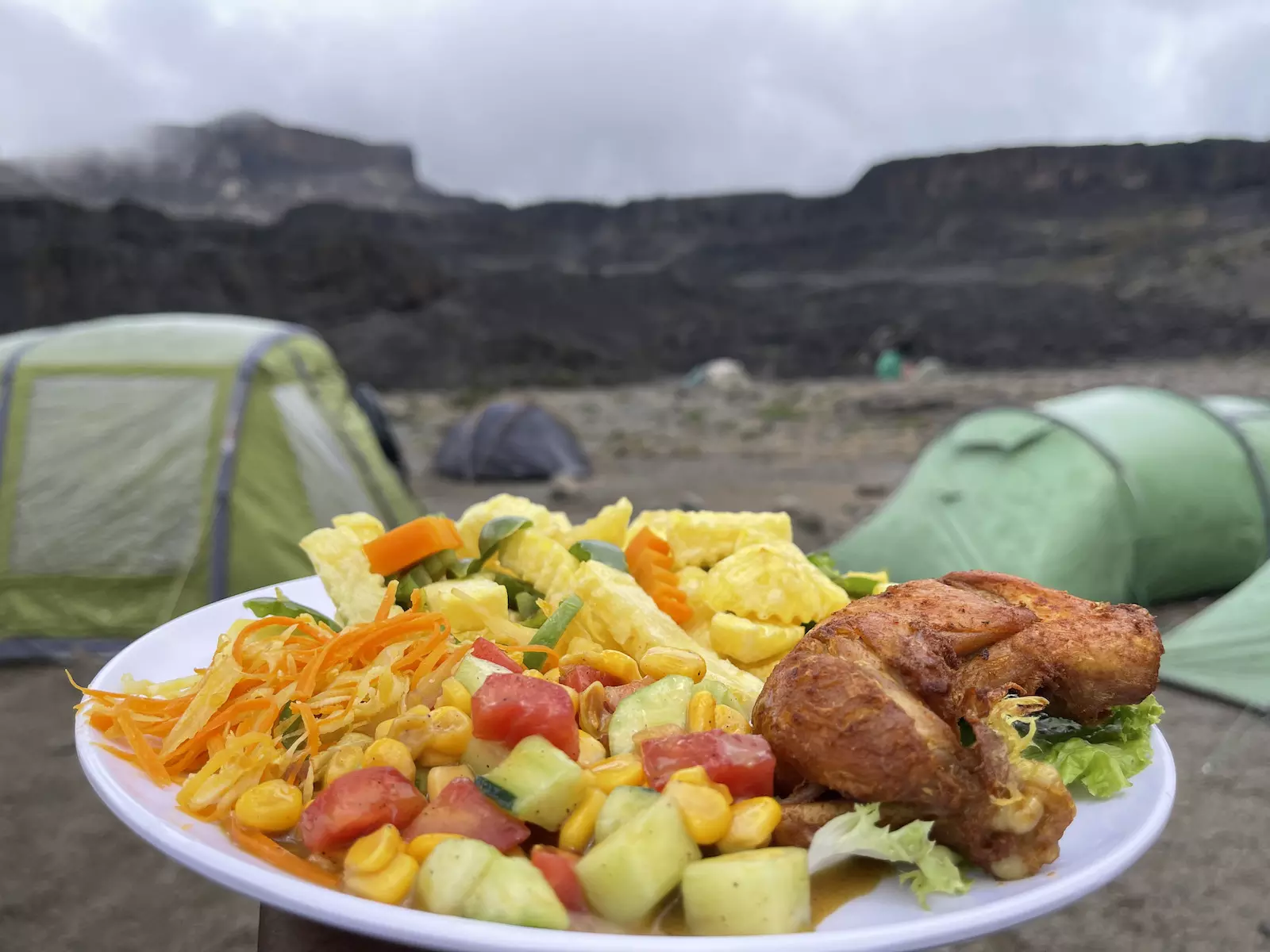
Mountains in the Bible carry several overlapping meanings. They represent divine presence, human perseverance, covenant faithfulness, and sometimes spiritual opposition. Understanding these layers helps unlock dozens of passages that might otherwise seem merely descriptive.
Mount Sinai: The Mountain of Encounter
Perhaps no mountain is more theologically loaded than Sinai. It is here that Moses removes his sandals before a burning bush, here that the Law is given amid thunder and fire, and here that the very glory of God passes before a hidden prophet in a cleft of rock. Sinai establishes a pattern: to ascend is to draw near, and to draw near is to be changed.
The physical effort of climbing is itself part of the spiritual grammar. Moses does not receive the commandments at the foot of the mountain. He climbs. The ascent matters.

Mount Moriah, Carmel, and the Sermon on the Mount
Abraham’s near-sacrifice of Isaac on Mount Moriah prefigures Calvary with breathtaking precision — a father, a son, a substitutionary provision, and a mountain as the stage. Mount Carmel becomes the site of Elijah’s dramatic confrontation with the prophets of Baal, a high place reclaimed for the one true God. And when Jesus delivers his most famous teaching, he too ascends a mountain. The Sermon on the Mount echoes Sinai deliberately, presenting Christ as the new lawgiver on a new mountain.
In each case, the mountain is more than scenery. It is a symbol of the vertical axis between heaven and earth.
Mountains as Metaphors for Faith and Obstacles
Jesus famously told his disciples that faith the size of a mustard seed could command a mountain to throw itself into the sea. This is not a lesson in geology. The “mountain” in Jewish thought often represented an enormous obstacle — political, spiritual, or personal. To move a mountain was to accomplish what seemed humanly impossible through divine partnership.
This metaphor resonates powerfully with anyone who has faced a seemingly insurmountable challenge. It is no coincidence that real mountains continue to serve as potent symbols of endurance and human aspiration in our own era.
The Modern Echo: Physical Mountains and Spiritual Resolve
There is something deeply human about the compulsion to climb. Those who attempt great ascents often speak in almost spiritual terms about the experience — the stripping away of distraction, the confrontation with one’s own limits, the clarity that comes only at altitude.
Africa’s Mount Kilimanjaro, standing at 5,895 metres, has become one of the world’s most recognised spiritual and physical challenges. Thousands undertake a guided Kilimanjaro expedition each year, drawn not only by the summit itself but by what the journey represents: perseverance, perspective, and the quiet discovery of inner reserves they did not know they possessed.
This summer, the mountain takes on an even more extraordinary dimension. John Rees-Evans, founder of Team Kilimanjaro, is undertaking a remarkable Kilimanjaro speed record attempt in July 2026 — beginning not from the conventional trailhead but from the mountain’s true geographic base at 777 metres above sea level. That means ascending the full 5,105 metres of vertical gain to Uhuru Peak. It is a feat that demands not just physical preparation but the kind of focused, almost meditative resolve that the biblical writers would have recognised immediately.
The Mountain Awaits
Whether you approach Kilimanjaro literally or Scripture figuratively, the same truth emerges: mountains demand something of us. They ask us to leave comfort behind, to accept that the path upward is rarely straight, and to trust that the view from the summit — whether of the African plains or of God’s purposes — is worth every difficult step.
The next time you read of Moses on Sinai, or Abraham on Moriah, or Jesus teaching from a hillside, pause and consider the mountain beneath their feet. In Scripture, where you stand matters. And sometimes, standing on the heights is exactly where God intends you to be.
