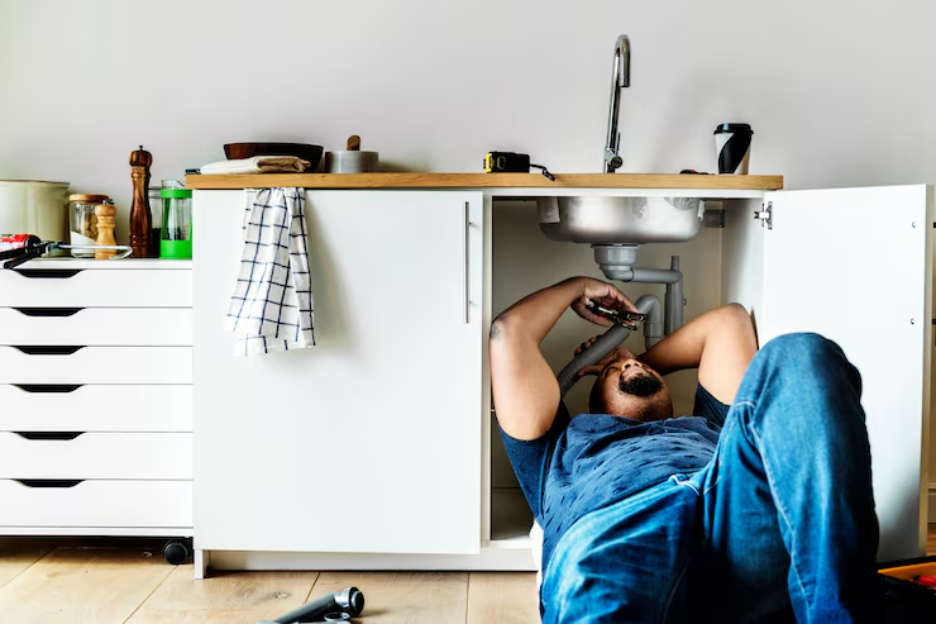
Water leakage is one of the most common and costly maintenance issues in homes and commercial buildings. Whether it appears as damp walls, ceiling stains, dripping pipes, or hidden seepage, water leakage can quickly lead to structural damage, mold growth, and rising repair costs if not addressed in time.
Water leakage repair is not just about fixing visible damage—it involves identifying the root cause, stopping the source of water ingress, and restoring affected surfaces to prevent future problems.
What Is Water Leakage?
Water leakage refers to the unwanted escape or penetration of water from pipes, roofs, walls, bathrooms, or underground systems into areas where it should not be present. It can be visible, such as a dripping pipe, or hidden, such as seepage inside walls or slabs.
In many cases, leakage starts small and goes unnoticed. Over time, it spreads through building materials, weakening structures and damaging finishes like paint, plaster, and flooring.
Common Causes of Water Leakage
Water leakage can occur for many reasons, and identifying the exact cause is the most important step in repair.
One of the most common sources is plumbing failure. Old, corroded, or poorly installed pipes can develop cracks or loose joints, allowing water to escape.
Roof leakage is another frequent issue, especially during heavy rainfall. Damaged waterproofing layers, broken tiles, or clogged drainage systems can allow water to seep into ceilings and walls.
Bathroom leakage is also very common because bathrooms are constantly exposed to water. Poor waterproofing under tiles, cracked grout, or faulty drainage can lead to long-term seepage.
Wall seepage often occurs when external moisture enters through cracks in plaster or brickwork. This is especially common in older buildings or those exposed to heavy rain and humidity.
In some cases, leakage can also come from water tanks, overhead storage systems, or underground pipelines.
Signs of Water Leakage
Water leakage is not always immediately visible. However, there are several warning signs that indicate a problem.
Damp patches on walls or ceilings are one of the earliest indicators. These patches may gradually expand or change color over time.
Peeling paint or bubbling plaster is another sign that moisture is trapped beneath the surface.
A musty smell in rooms often indicates hidden dampness or mold growth caused by prolonged water exposure.
In severe cases, water dripping from ceilings or visible cracks in walls may occur.
Unexpected increases in water bills can also signal hidden pipe leakage somewhere in the system.
Water Leakage Repair Process
Water leakage repair begins with identifying the exact source of the problem. This is the most critical step because treating only the visible damage without fixing the root cause will lead to recurring issues.
Professionals often use pressure testing, thermal imaging, or moisture detection tools to locate hidden leaks inside walls or floors.
Once the source is identified, the repair work begins. For plumbing-related issues, damaged pipes or fittings are replaced or sealed. In the case of roof leakage, waterproofing layers are repaired or completely redone.
For bathroom leakage, tiles may need to be removed to access the underlying waterproofing layer. Once repaired, new waterproof coatings are applied before restoring the surface.
Wall seepage repairs often involve sealing cracks, applying waterproof coatings, and sometimes re-plastering affected areas.
After repairs, the area is tested again to ensure that the leakage has been completely stopped.
Waterproofing and Its Role in Leakage Repair
Waterproofing is one of the most important parts of water leakage repair. It acts as a protective barrier that prevents water from entering structural surfaces.
Modern waterproofing systems use chemical coatings, membranes, or sealants depending on the area being treated. Bathrooms, roofs, balconies, and basements are common areas that require waterproofing protection.
Without proper waterproofing, even a well-repaired leak can return over time. That is why professionals always recommend combining repair work with preventive waterproofing solutions.
Types of Water Leakage Repair Solutions
Different types of leakage require different repair methods.
Plumbing leaks are usually fixed by replacing damaged pipes, tightening joints, or sealing small cracks using specialized compounds.
Roof leaks are repaired by applying waterproof coatings or replacing damaged tiles and membranes.
Wall seepage is treated using crack filling, exterior waterproof paints, and damp-proof coatings.
Bathroom leaks often require tile removal, waterproof layer reconstruction, and retiling.
For basement leakage, injection grouting and membrane waterproofing are commonly used to block water entry points.
Risks of Ignoring Water Leakage
Ignoring water leakage can lead to serious long-term damage. One of the first impacts is structural weakening. Continuous exposure to moisture can damage concrete, steel reinforcement, and masonry over time.
Mold and mildew growth is another major concern. These can affect indoor air quality and cause respiratory problems, especially for sensitive individuals.
Paint and interior damage is also common, leading to costly cosmetic repairs.
In severe cases, prolonged leakage can even compromise the safety of the building structure.
Cost Factors in Water Leakage Repair
The cost of water leakage repair depends on several factors, including the severity of the damage, location of the leak, and type of repair required.
Simple plumbing repairs are usually less expensive, while roof or bathroom waterproofing repairs can cost more due to labor and material requirements.
Hidden leaks that require advanced detection tools or major reconstruction work tend to be more costly.
However, addressing leakage early is always more cost-effective than waiting for the damage to spread.
Preventing Future Water Leakage
Prevention is always better than repair when it comes to water leakage. Regular inspection of plumbing systems helps identify issues before they become serious.
Proper waterproofing during construction or renovation is essential for long-term protection.
Keeping drainage systems clean, especially on roofs and balconies, prevents water accumulation.
Using high-quality materials for pipes, fittings, and coatings also reduces the risk of future leakage.
Routine maintenance is the most effective way to ensure long-term protection from water damage.
When to Call a Professional
While minor leaks like loose taps can sometimes be fixed easily, most water leakage issues require professional expertise.
If leakage is hidden, recurring, or affecting structural areas like walls, ceilings, or foundations, it is best to consult a specialist.
Professionals have the tools and experience to accurately diagnose the issue and provide a long-lasting solution rather than temporary fixes.
Final Thoughts
Water leakage repair is an essential part of maintaining any building, whether residential or commercial. Left untreated, even small leaks can lead to significant structural damage, health risks, and expensive repairs.
The key to effective repair is identifying the root cause, fixing it properly, and applying the right waterproofing measures to prevent recurrence.
With timely action and proper maintenance, water leakage issues can be fully controlled, ensuring the safety, durability, and comfort of your property for years to come.
