Nepal has hundreds of trekking routes, and honestly, that’s exactly what makes planning so overwhelming. You open a few blogs, get a dozen conflicting opinions, and still don’t know which trail fits your time off, your budget, or your knees.
If you’re weighing the Annapurna Base Camp Trek, the Manaslu Circuit Trek, the Langtang Valley Trek, and the Mardi Himal Trek, you’re not alone — these four come up more than almost any others in Nepal trekking conversations, and for good reason. Annapurna Base Camp pulls you into a natural amphitheater of towering peaks. Manaslu takes you into wilder, less-visited territory near the Tibet border. Langtang gives you glaciers and yak pastures a short drive from Kathmandu. Mardi Himal delivers big mountain views without eating up two or three weeks.
This guide breaks down all four, then compares them side by side, covering cost, difficulty, permits, food, altitude safety, and the best season for each — so you can book with confidence instead of guesswork.
Why These Four Treks Are Among Nepal’s Most Popular Himalayan Adventures
Each of these Nepal trekking routes delivers something different, but they share qualities that keep trekkers coming back. The scenery on all four is genuinely spectacular — the Annapurna Base Camp Trek offers close-up views of Annapurna I and Machhapuchhre, the Manaslu Circuit Trek crosses the dramatic Larkya La beneath the world’s eighth-highest peak, Langtang delivers glacier-fed valleys near the capital, and Mardi Himal serves ridge-top panoramas that rival routes costing far more time.
There’s real cultural depth too — Gurung, Tamang, and Tibetan-influenced villages, family-run tea houses, and genuine glimpses into mountain life. Combine that with comfortable tea house trekking, routes for varying experience levels, and trip lengths from five days to three weeks, and it’s easy to see why these four dominate Nepal’s trekking scene.
Quick Overview of the Annapurna Base Camp Trek
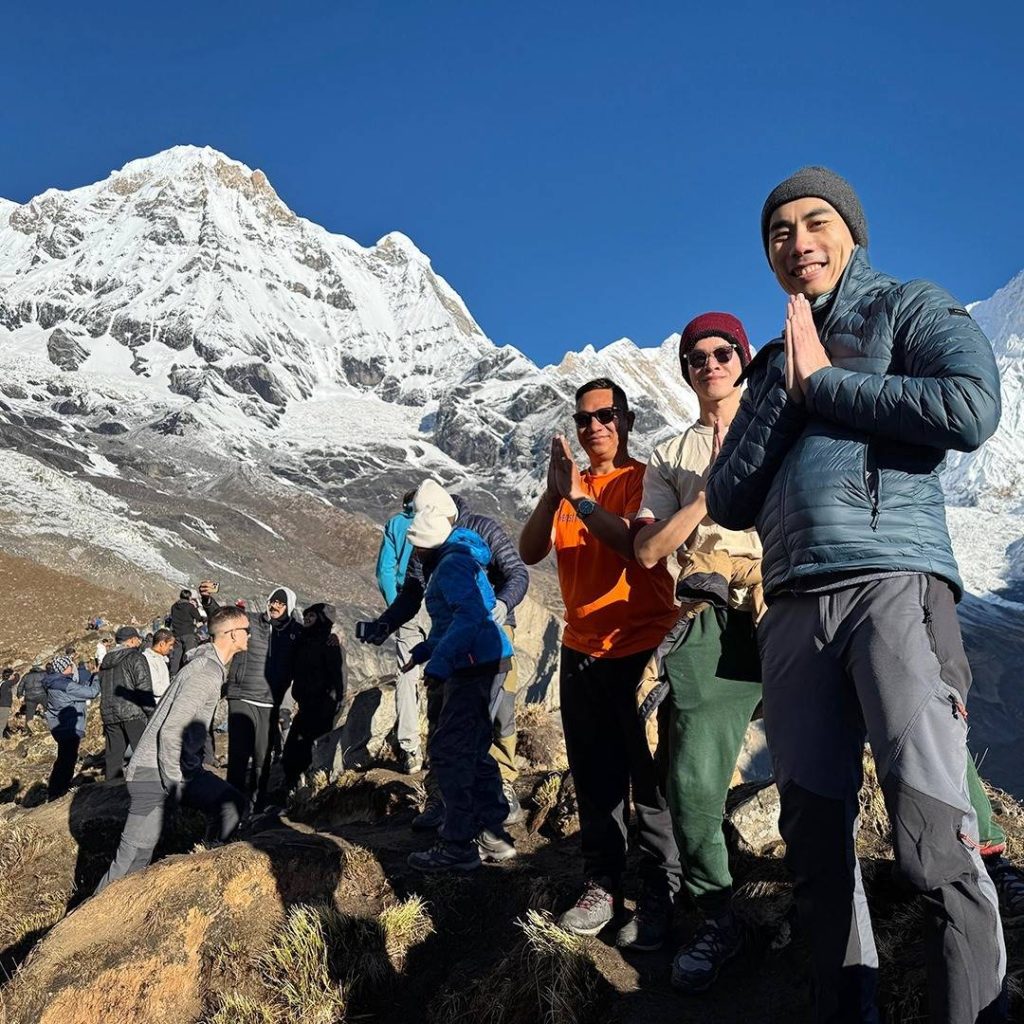
Set in central Nepal’s Annapurna region, this trek runs 7 to 12 days and tops out around 4,130 meters — a modest altitude that keeps it accessible to a wide range of fitness levels. The trail winds through rhododendron forest and Gurung villages like Chhomrong before funneling into the Annapurna Sanctuary, a natural bowl ringed by towering peaks. Waking up at base camp to sunrise hitting Annapurna South and Machhapuchhre is one of those moments that lives up to the hype. Tea houses are plentiful and comfortable, making this trek a great fit for first-timers and families.
Complete Overview of the Manaslu Circuit Trek
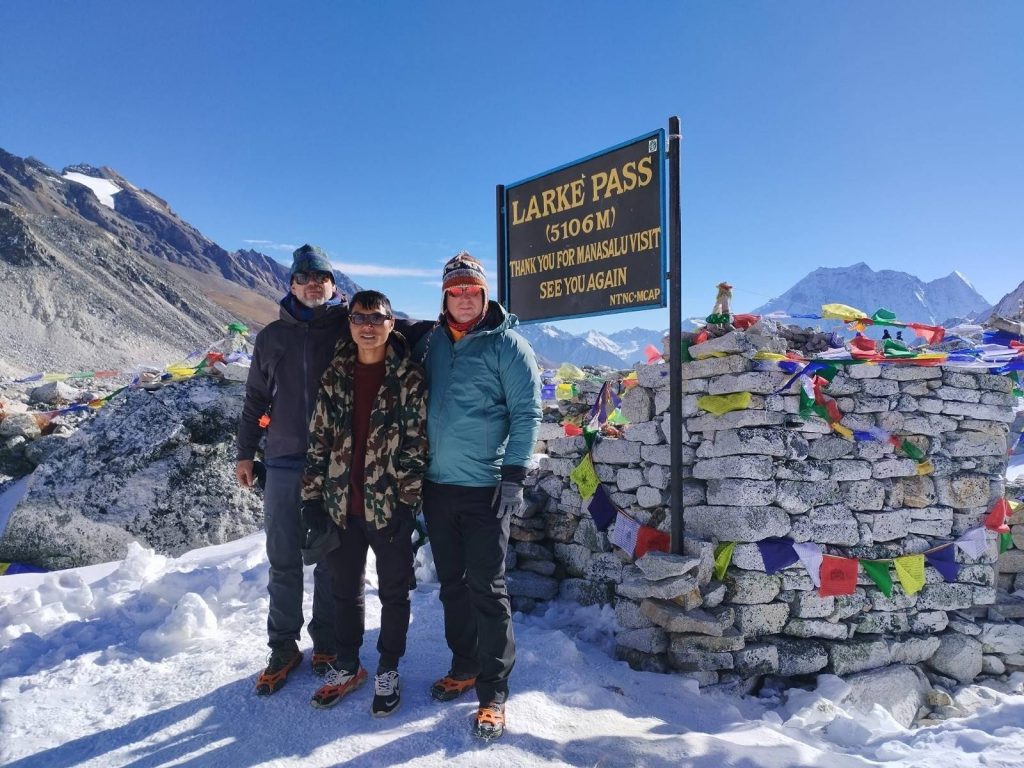
The Manaslu Circuit Trek circles the Manaslu massif in a restricted region near Tibet, and it’s become Nepal’s favorite “wilder” alternative to the classics. Because it’s restricted, you’re required to trek with a licensed guide and a minimum group size — which actually adds to the appeal for travelers wanting a more authentic feel. Expect 14 to 18 days, crossing the demanding Larkya La Pass at roughly 5,160 meters. Villages higher up feel distinctly Tibetan, with prayer flags and monasteries barely touched by mass tourism. You’ll see far fewer trekkers than on Annapurna, and the trade-off is a tougher, remoter, more rewarding sense of adventure.
Langtang Valley Trek Overview
If proximity to Kathmandu matters, Langtang is hard to beat — you can reach the trailhead within a day’s drive. The trek runs 7 to 10 days, topping out near 4,984 meters if you add the Tserko Ri side trip. The route moves through dense forest, past glacial rivers, and up into yak pastures dotted with stone villages. Tamang culture here is warm and distinct, shaped by centuries of trade with Tibet, and the trail passes through Kyanjin Gompa, a small monastery settlement worth an extra day. Its shorter access time makes Langtang a favorite for families and first-time high-altitude trekkers.
Mardi Himal Trek Overview
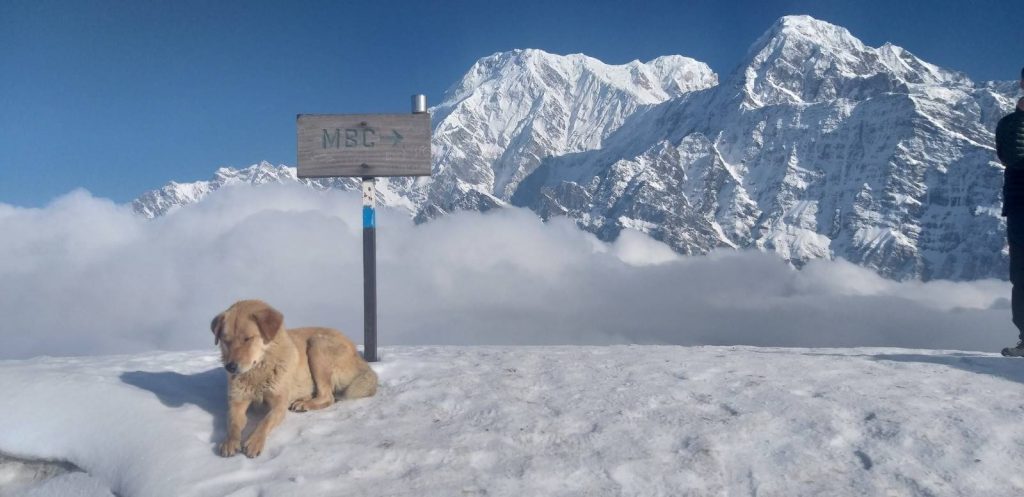
The newest of the four to gain popularity, Mardi Himal typically runs just 5 to 7 days — one of the shortest legitimate Himalayan treks with a genuinely big payoff. The trail climbs through rhododendron forest before breaking onto an open ridge with close-up views of Machhapuchhre and the wider Annapurna panorama. Crowds are noticeably thinner than on Annapurna Base Camp, even in the same general region. It’s a solid pick for beginners wanting a real high-altitude experience, and photographers love the ridge-walking compositions and sunrise light on the peaks.
Annapurna Base Camp Trek vs Manaslu Circuit Trek vs Langtang Valley Trek vs Mardi Himal Trek
On duration, Mardi Himal is shortest (5-7 days), Langtang and Annapurna Base Camp sit in the middle (7-12 days), and Manaslu Circuit is the longest (14-18 days). For difficulty, Mardi Himal and Langtang are moderate and beginner-friendly, Annapurna Base Camp is moderate-to-challenging, and Manaslu is the toughest thanks to its high pass and longer altitude days.
On elevation, Mardi Himal tops out near 4,500m, Annapurna Base Camp around 4,130m, Langtang near 4,984m with the Tserko Ri extension, and Manaslu peaks near 5,160m at Larkya La. For landscape, Annapurna offers the closest mountain amphitheater, Manaslu the wildest scenery, Langtang a mix of forest and glacier, and Mardi Himal specializes in ridge-top panoramas.
Culturally, Manaslu edges ahead with its Tibetan-influenced villages, followed by Langtang’s Tamang communities and Annapurna’s Gurung villages, while Mardi Himal offers the least village interaction. On crowds, Annapurna sees the most traffic, Langtang is moderate, Mardi Himal is quieter, and Manaslu remains the least crowded due to its restricted-area status. For budget, Mardi Himal and Langtang are most affordable, Annapurna sits mid-range, and Manaslu is priciest due to permit and guide requirements. Beginners generally do best on Mardi Himal, Langtang, or Annapurna Base Camp, while experienced trekkers get the most out of Manaslu Circuit.
Trek Difficulty and Physical Fitness Required
None of these treks require technical climbing, but all demand reasonable fitness — typically 5 to 7 hours of walking a day on uneven trail, with altitude adding extra strain even on moderate days. Mardi Himal and Langtang need general fitness built from regular hiking or cardio. Annapurna Base Camp asks a bit more stamina given its longer, step-heavy sections. Manaslu Circuit really benefits from prior trekking experience, given its consecutive high-altitude days and demanding pass crossing. If you’re newer to trekking, start training two to three months out with cardio, leg strength work, and some hill walking with a loaded pack.
Trekking Permits Required for Each Route
The Annapurna Base Camp Trek needs the Annapurna Conservation Area Permit (ACAP); TIMS requirements shift occasionally, so confirm current rules before you go. The Manaslu Circuit Trek requires the most paperwork: a Restricted Area Permit (issued only to those trekking with a licensed guide and minimum group size), the Manaslu Conservation Area Permit (MCAP), and the ACAP, since the route crosses both zones. The Langtang Valley Trek requires the Langtang National Park Permit, usually arranged in Kathmandu or at the park entrance. The Mardi Himal Trek requires the ACAP. These permits fund conservation and regulate trekker numbers in sensitive ecosystems; most agencies handle the paperwork for you.
Best Time to Visit These Himalayan Trekking Routes
Spring (March-May) is the strongest all-round season, with blooming rhododendrons and comfortable temperatures — peak season for Annapurna Base Camp and Mardi Himal. Summer monsoon (June-August) brings heavy rain and poor visibility, and isn’t recommended for any of the four. Autumn (September-November) offers the clearest skies and most stable weather overall, especially strong for Manaslu Circuit and Langtang Valley. Winter (December-February) brings cold and snow that can close high passes like Larkya La, though lower Langtang and shorter treks like Mardi Himal remain doable with the right gear.
Accommodation and Food Along the Trails
Tea house trekking is standard on all four routes — simple, family-run lodges with basic twin rooms, shared bathrooms lower down, and occasional private rooms in busier villages. Dal bhat, Nepal’s rice-and-lentil staple, is the trekker favorite thanks to free refills and solid fuel value, alongside noodles, soups, momos, and hot ginger tea. Wi-Fi and charging are widely available (for a fee) on Annapurna Base Camp and Mardi Himal, somewhat available on Langtang, and more limited on the remote Manaslu Circuit.
Cost Breakdown for Every Trek
Permits run roughly $30-40 for Langtang and Mardi Himal, $20-40 for Annapurna’s ACAP, while Manaslu’s combined Restricted Area Permit, MCAP, and ACAP can run into the hundreds of dollars. Guides typically cost $25-35 a day and porters $20-25 a day — both mandatory on Manaslu. Accommodation is cheap on its own, since lodges earn most of their income from food, so budget $20-30 a day for meals. Add transportation and gear rental, and Manaslu Circuit Trek generally ends up the most expensive of the four due to its restricted-area fees and mandatory guide requirement, while Mardi Himal tends to be the most budget-friendly.
Altitude Sickness and Trekking Safety
AMS is a real risk on all four routes, even shorter ones like Mardi Himal. Watch for headache, nausea, dizziness, and unusual fatigue — the rule is simple: don’t ascend too fast, and descend if symptoms worsen. Acclimatization days matter most on Manaslu Circuit and Langtang Valley given their higher points. Stay hydrated, pace yourself, and trust your guide’s judgment. Comprehensive travel insurance covering high-altitude trekking and helicopter evacuation is essential, especially on Manaslu’s remote sections where emergency response takes longer.
Essential Packing List for Nepal Treks
Well broken-in hiking boots matter more than almost anything else — blisters on day two of a long trek are miserable. A properly fitted backpack, trekking poles for the steep descents (especially on Annapurna’s stone staircases), and solid layering for temperature swings are key, including a warm down jacket and reliable rain gear. Bring water purification tablets or a filter rather than relying on bottled water, plus sunscreen, a basic first-aid kit, a power bank, a sleeping bag rated for below-freezing temperatures, and a few familiar snacks for the days when tea house food doesn’t quite hit the spot.
Which Nepal Trek Matches Your Travel Style?
Adventure lovers chasing something less traveled should look at the Manaslu Circuit Trek. Photographers tend to favor Mardi Himal’s ridge compositions and Annapurna Base Camp’s amphitheater sunrise. First-timers generally do best on Annapurna Base Camp or Langtang Valley. Families often prefer Langtang for its shorter access time, while solo travelers find easy community on the busier Annapurna trail. Those craving remote trekking lean toward Manaslu, short-holiday visitors do best with Mardi Himal, and budget travelers typically favor Mardi Himal or Langtang Valley.
Practical Trekking Tips Before Visiting Nepal
Book flights and permits early during peak seasons, since availability tightens fast. Don’t skip travel insurance covering high-altitude trekking and evacuation. Hiring a licensed guide, even where optional, improves both safety and cultural depth. Carry cash, since ATMs disappear a few days into any trail, and internet coverage gets patchier the higher you climb. Stick to purified water rather than buying endless bottles, and build a buffer day or two into your itinerary for weather delays — mountain schedules rarely go exactly to plan.
Planning a trek becomes much easier when you have accurate route information and realistic expectations. Many travelers also explore Everest Trekking Routes while comparing Nepal’s most popular adventures, as detailed local insights and practical trekking guidance can help you choose the itinerary that best matches your experience, fitness level, and travel goals.
Final Thought
There’s no single “best” trek among these four — just the one that fits where you’re at right now. Maybe that’s the sweeping amphitheater of Annapurna Base Camp, the wild remoteness of Manaslu Circuit, the family-friendly valleys of Langtang, or the quick, ridge-top payoff of Mardi Himal. Each hands you something the others can’t quite replicate. So plan early, train a bit before you land, pack smart, and take acclimatization seriously — your body will thank you at 4,000 meters. Whichever trail you choose, go in with respect for the mountains and the communities who call them home, and you’ll walk away with memories that last long after the blisters heal.
Contect information
Everest Trekking Routes Pvt. Ltd.
16 Khumbu, Nayabazaar, Kathmandu, Nepal
Mobile : +977-9843467921 (Rabin)
Email: [email protected]
URL:– www.everesttrekkingroutes.com
