Introduction
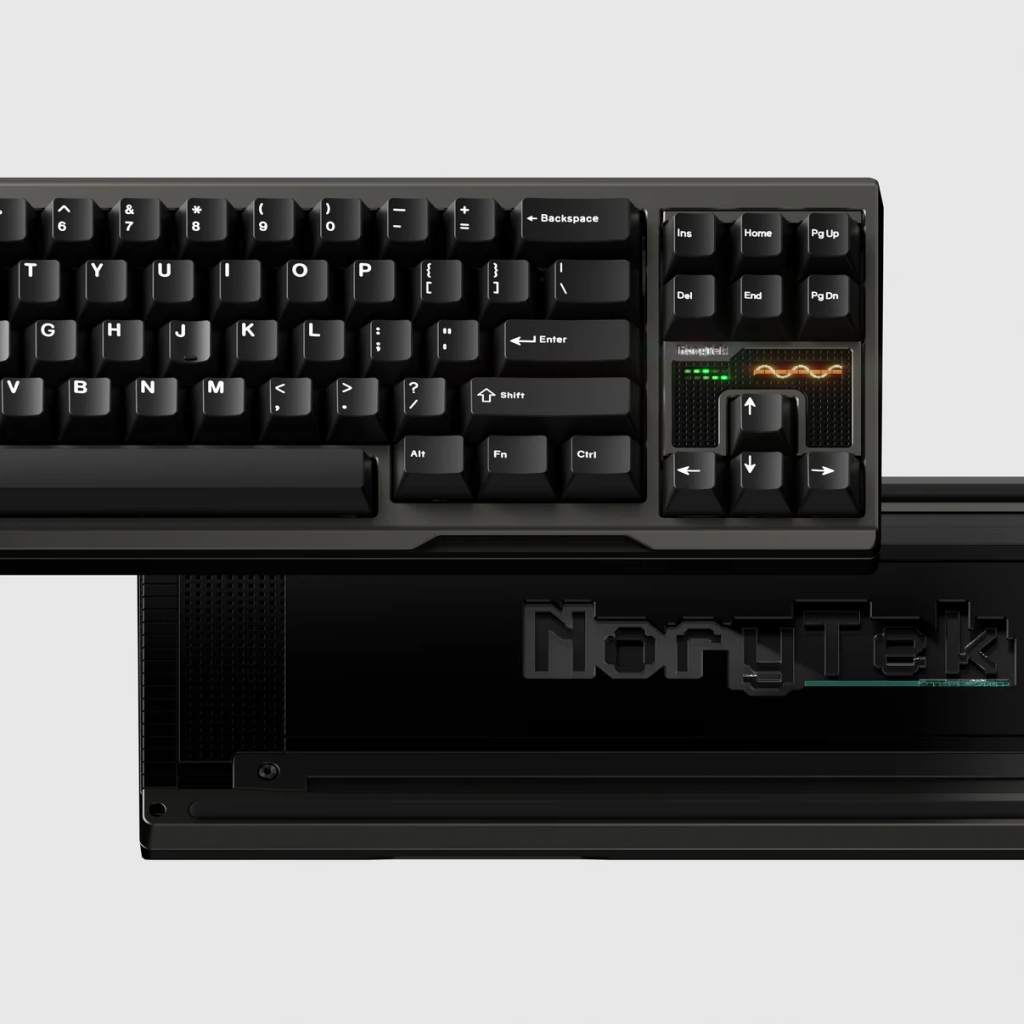
The rise of custom keyboards has transformed how people interact with their computers. A mechanical keyboard kit allows users to build a keyboard tailored to their typing feel, sound profile, and workflow needs. Unlike prebuilt keyboards, kits provide flexibility in choosing switches, keycaps, and layouts, making them especially popular among gamers, programmers, and keyboard enthusiasts in the U.S. and globally.
According to industry observations from mechanical switch manufacturers such as Cherry MX, demand for customizable keyboard components has grown significantly in recent years, driven by remote work and gaming culture expansion.
What Is a Mechanical Keyboard Kit and Why Is It So Popular?
A mechanical keyboard kit is a modular set of parts that allows users to assemble a fully functional keyboard. It typically includes a case, PCB (printed circuit board), plate, stabilizers, and sometimes switches. Users then customize the build with their preferred switches and keycaps.
Its popularity comes from customization and performance control. For example, programmers often prefer tactile switches for feedback, while gamers may choose linear switches for smoother key presses. Enthusiasts also appreciate the ability to fine-tune acoustics and typing feel.
Another key reason is long-term usability. Instead of replacing an entire keyboard, users can upgrade individual components over time, making it more sustainable and cost-flexible in the long run.
What Are the Essential Components of a Mechanical Keyboard Kit?
Understanding each component helps users make better decisions before building a keyboard.
| Component | Function | Notes |
| PCB (Printed Circuit Board) | Registers key inputs | Hot-swap or soldered versions available |
| Case | Houses all components | Aluminum cases offer durability |
| Plate | Holds switches in place | Affects typing feel (flex vs rigid) |
| Switches | Determine key feel and sound | Linear, tactile, or clicky types |
| Keycaps | Visible typing surface | PBT and ABS are common materials |
According to switch manufacturer insights such as Keychron’s switch guide, switch selection alone can significantly change typing experience, even when all other components remain the same.
How Do You Build a Mechanical Keyboard Kit from Scratch?
Building a mechanical keyboard kit is a step-by-step process that balances technical assembly with personalization.
Step 1: Prepare your components
Ensure all parts are compatible, especially PCB layout and switch type.
Step 2: Install stabilizers
Stabilizers are used for larger keys like Spacebar and Enter to reduce wobble.
Step 3: Mount switches
Hot-swap PCBs allow users to push switches directly into sockets, while soldered boards require soldering skills.
Step 4: Assemble the case
Secure PCB and plate inside the keyboard case.
Step 5: Add keycaps
Install keycaps according to layout (ANSI or ISO).
Step 6: Test and fine-tune
Use online keyboard testers to check input accuracy and make adjustments if needed.
Many users report that their first build can take 1–3 hours depending on experience level, but the process becomes significantly faster with practice.
What Are the Different Types of Mechanical Keyboard Kits?
Mechanical keyboard kits vary based on structure, size, and assembly method.
| Type | Description | Best For |
| Hot-swap kits | No soldering required; easy switch changes | Beginners and hobbyists |
| Soldered kits | Permanent switch installation | Advanced builders |
| 60% kits | Compact layout without function row | Gaming and portability |
| TKL (80%) kits | No numpad, balanced layout | Work and gaming balance |
| Full-size kits | Includes numpad and function keys | Data entry and office use |
Each type offers different trade-offs between portability, functionality, and desk space efficiency.
How to Choose the Right Mechanical Keyboard Kit for Gaming, Work, or Programming?
Choosing the right mechanical keyboard kit depends on usage scenarios and personal preferences.
For Gaming
Linear switches, compact layouts (60% or TKL), and fast actuation are often preferred for responsive gameplay.
For Office Work
Tactile switches provide feedback without excessive noise, making them suitable for shared environments.
For Programming
Many developers prefer TKL or full-size layouts for shortcut accessibility and numerical input efficiency.
Budget is also a consideration. Entry-level kits may start around $80–$150, while premium aluminum kits with advanced features can exceed $300 depending on materials and customization options.
If you want a curated selection of prebuilt options that align with custom keyboard principles, you can explore mechanical keyboard kit.
Conclusion
A mechanical keyboard kit offers a flexible and rewarding way to build a keyboard tailored to your typing habits and workflow. Whether you are a gamer seeking speed, a programmer needing efficiency, or an enthusiast exploring acoustics and design, custom kits provide long-term adaptability.
While the learning curve may vary, the growing ecosystem of hot-swap PCBs and modular components has made keyboard building more accessible than ever.
FAQs
Is a mechanical keyboard kit better than a prebuilt keyboard?
It depends on user needs. Kits offer customization and upgrade flexibility, while prebuilt keyboards are more convenient and ready to use out of the box.
Do I need soldering skills to build a mechanical keyboard kit?
Not always. Many modern kits use hot-swap PCBs, which allow switch installation without soldering. However, soldered kits may require technical skills.
How much should I spend on a mechanical keyboard kit?
Costs vary widely. Entry-level builds can start under $100, while premium custom builds may exceed $300 depending on materials, switches, and accessories.
