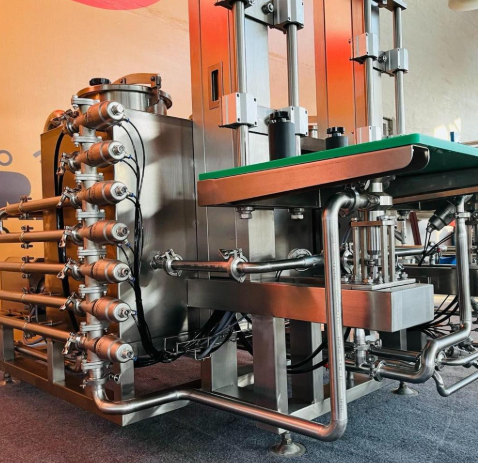
Choose a keg washer and filler by keg volume, coupler type, daily throughput, cleaning program, filling method, labor, utilities, automation, oxygen target, and available floor space. The machine must clean and fill at the speed required by sales without shortening validated cycles.
Compare complete cycle time, not only kegs per hour. Include loading, connection, depressurizing, rinsing, chemical cleaning, purging, filling, disconnecting, inspection, and changeover. Utility recovery and operator handling often determine real output.
What Is the Difference Between a Manual and Automatic Keg Washer?
Manual or semi-automatic machines require an operator to load, connect, start, and move kegs. Automatic systems control more valves, cycle steps, and conveyor movement.
Manual equipment costs less and suits lower volume, but labor and cycle consistency depend on the operator. Automation supports higher throughput and repeatability while adding controls, sensors, maintenance, and installation complexity.
How Many Kegs per Hour Are Required?
Calculate weekly keg demand, peak packaging day, available shift hours, changeovers, cleaning, breaks, and downtime. Size for normal peaks without relying on the machine’s shortest possible cycle.
If filling follows washing on the same heads, include both processes. If separate machines are used, balance their rates. Finished-keg handling and cold storage must keep pace.
What Cleaning Steps Should the Machine Perform?
A keg program may include residual-product removal, water rinse, chemical circulation, intermediate rinse, sanitizing or steam where used, and gas purge. The exact sequence depends on brewery procedures, keg condition, and chemical supplier guidance.
Confirm time, temperature, concentration, pressure, flow, and return verification for each step. Do not reduce cycle time without proving cleaning remains effective.
How Is Keg Cleanliness Verified?
Monitor cycle completion, chemical concentration, temperature, flow, pressure, and final rinse or other approved indicators. Inspect couplers, valves, and returned kegs for damage and heavy soil.
Use the brewery’s hygiene verification program and trend failures. A completed control sequence does not prove that blocked connections, weak pumps, or empty chemical tanks delivered the required process.
How Does Keg Filling Work?
Kegs are purged and pressurized before beer enters under controlled pressure. Counter-pressure filling reduces foaming and helps control oxygen. The machine stops by weight, flow, volume, level, or another method.
Confirm fill accuracy across keg sizes and beer carbonation levels. Stable cold beer, correct pressure balance, clean gas, and suitable lines are required. The filler cannot compensate for warm beer or unstable carbonation.
How Can Oxygen Pickup Be Reduced?
Use effective gas purging, leak-free connections, controlled counter-pressure filling, short product paths, and repeatable valve timing. Confirm gas quality and purge volume.
Measure packaged oxygen where required. When reviewing kegging equipment, ask for the purge sequence and adjustable parameters. Excess gas use does not correct damaged keg valves or leaking couplers.
What Utilities Are Required?
Typical utilities include water, hot water or steam, cleaning chemicals, electricity, compressed air, carbon dioxide, drainage, and beer supply. Requirements vary by cycle and machine.
Request peak flow, pressure, temperature, voltage, and consumption. Confirm that drains handle simultaneous discharge. Utility shortages can extend cycles and reduce cleaning or filling performance.
Can One Machine Handle Different Keg Types?
A machine may handle multiple keg volumes and coupler formats with change parts or recipe settings. Confirm diameter, height, weight, spear and valve design, and connection.
Changeovers should be safe, documented, and quick enough for the production mix. Test every approved keg. Visually similar valves may require different couplers or pressure settings.
What Safety Features Are Needed?
Kegs contain pressure and the machine uses chemicals, hot water, steam, gas, and moving parts. Required protections may include guards, interlocks, pressure controls, emergency stops, ventilation, and contained chemical connections.
Operators need safe lifting or handling and training. Never bypass an interlock or open a connected keg under pressure. Review installation with qualified safety personnel.
How Is the Machine Maintained?
Inspect couplers, seals, valves, hoses, pumps, spray paths, sensors, scales or flowmeters, gas regulators, guards, and chemical tanks. Replace wear parts using approved materials.
Trend fill accuracy, oxygen, cycle time, leakage, and cleaning results. Keep critical seals, valve parts, and sensors available. Calibrate measurement systems at documented intervals.
What Information Should Be Provided to the Supplier?
Provide keg types and sizes, peak kegs per hour, weekly volume, cleaning cycle, beer temperature and carbonation, oxygen target, utilities, floor plan, labor, automation, and future volume.
Ask the brewery supplier for timed cycles, utility schedules, cleaning verification, filling accuracy, gas consumption, changeover details, safety features, spare parts, and commissioning tests.
What Is the Most Common Selection Mistake?
The most common mistake is selecting the keg washer and filler from nominal capacity or purchase price without testing the complete operating cycle. Interfaces with upstream equipment, downstream capacity, utilities, cleaning, and labor often determine real performance.
Base the decision on peak packaging shift using the dirtiest approved return keg and highest-carbonation beer. Record the assumptions used in every proposal so apparently similar quotations can be compared on the same operating conditions.
How Should Factory and Site Acceptance Be Planned?
Create written acceptance criteria before fabrication. Factory checks should confirm dimensions, components, controls, fabrication, documentation, and safe functional operation where testing is possible. Site testing should use installed utilities and representative process conditions.
Measure cycle conditions, cleanliness, purge, fill accuracy, oxygen, leakage, throughput, and utility recovery. Record results, deviations, responsible parties, and completion dates. Do not release final acceptance because the equipment powers on; confirm the functions that create usable brewery capacity.
What Costs Should Be Included Beyond Purchase Price?
Include machine, conveyors, couplers, chemical tanks, gas, air, water, drainage, electrical work, and handling. Add freight, unloading, commissioning, training, spare parts, consumables, inspection, production downtime, financing, and local professional services.
Compare total installed cost and expected annual operating cost. A lower equipment quotation can cost more when essential controls, utility work, or process connections are excluded. Identify every supply boundary in writing.
How Should Future Expansion Be Prepared?
Plan for more keg formats, additional heads, and higher packaging volume. Reserve floor space, connection points, control capacity, utility load, drainage, and safe access before the first installation fills the available area.
Expansion provisions should be specific and documented. Oversizing every component immediately can reduce efficiency, but omitting difficult infrastructure can force expensive shutdowns and rebuilding later.
